


At Dixxon, we don’t build "disposable" clothing. We build gear designed to be lived in, worked in, and passed down. When you snag one of our Women's Jackets, you aren't just buying a layer; you’re investing in a piece of equipment built for the long haul.
But even the toughest armor needs a little backup. Whether you’re rocking a limited-edition drop or a shop-proven staple, knowing how to clean and maintain your gear is the difference between a jacket that lasts one season and one that lasts a decade. If you’re tired of "mall-brand" outerwear that shrinks or falls apart after one wash, follow this guide to keep your Dixxon looking as sharp as the day you unboxed it.
Understanding the Build: Fabric Matters
Different jackets require different approaches. While our signature D-Tech™ Polyester Blend is the backbone of our Women's Flannels and Flannel Jackets, our other outerwear styles utilize specialized materials—like 100% polyester shells, faux sherpa, and duck down—to provide specific performance benefits.
Proper maintenance isn't just about cleanliness; it’s about preserving the specialized features—like the hidden collar-stay buttons, water-resistant coatings, and mitered cuffs—that make a Dixxon a Dixxon.
Washing Your Dixxon: The Gold Standard
You’ve spent the weekend in the shop or out on the road, and your jacket has seen better days. It’s time for a wash. All Dixxon jacket types are machine washable, but there are some ground rules to follow to ensure they stay in prime condition.
1. Temperature is Everything
Always use Cold Water. High temperatures are the enemy of technical fabrics. Cold water keeps the colors vibrant, prevents shrinkage, and ensures the fit stays exactly where it should be.
2. Choose the Right Cycle
Use the Gentle or Delicates cycle. Our jackets are built tough, but the high-speed agitation of a heavy-duty cycle is unnecessary. A gentler spin preserves the integrity of the stitching, the custom brass snaps, and the specialized finishes.
3. Detergent & Additives
- Mild Detergent Only: Use a basic, mild detergent.
- NO Bleach: Bleach will destroy custom patterns and weaken the fibers.
- NO Fabric Softener: Fabric softeners leave a coating that can trap odors and reduce the breathability of technical shells and liners.
| Do This | Avoid This |
|---|---|
| Wash in Cold Water | Hot Water (Shrinkage/Fiber Damage) |
| Use Mild Detergent | Bleach or Harsh Chemicals |
| Wash with Like Colors | Fabric Softener (Reduces Breathability) |
| Zip/Snap Up before washing | Leaving zippers open (Can snag fabric) |
Style-Specific Care Requirements
Before you toss your gear in the wash, check which style you’re handling. Each one has a slightly different personality:
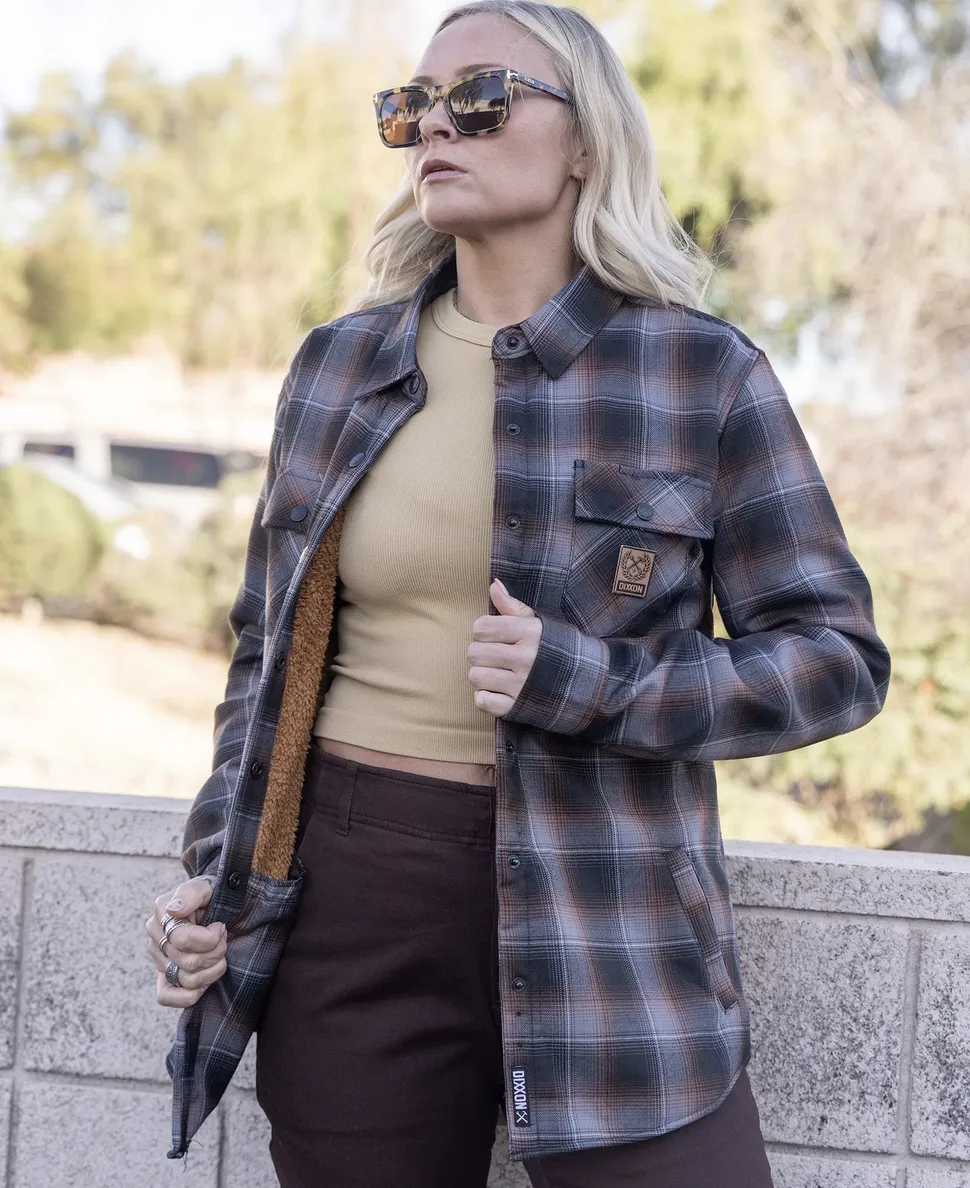
- Flannel Jackets & Sherpa Lined: Since these feature our D-Tech™ blend or faux sherpa, turn them inside out before washing. This protects the outer face and prevents the sherpa from matting or pilling.
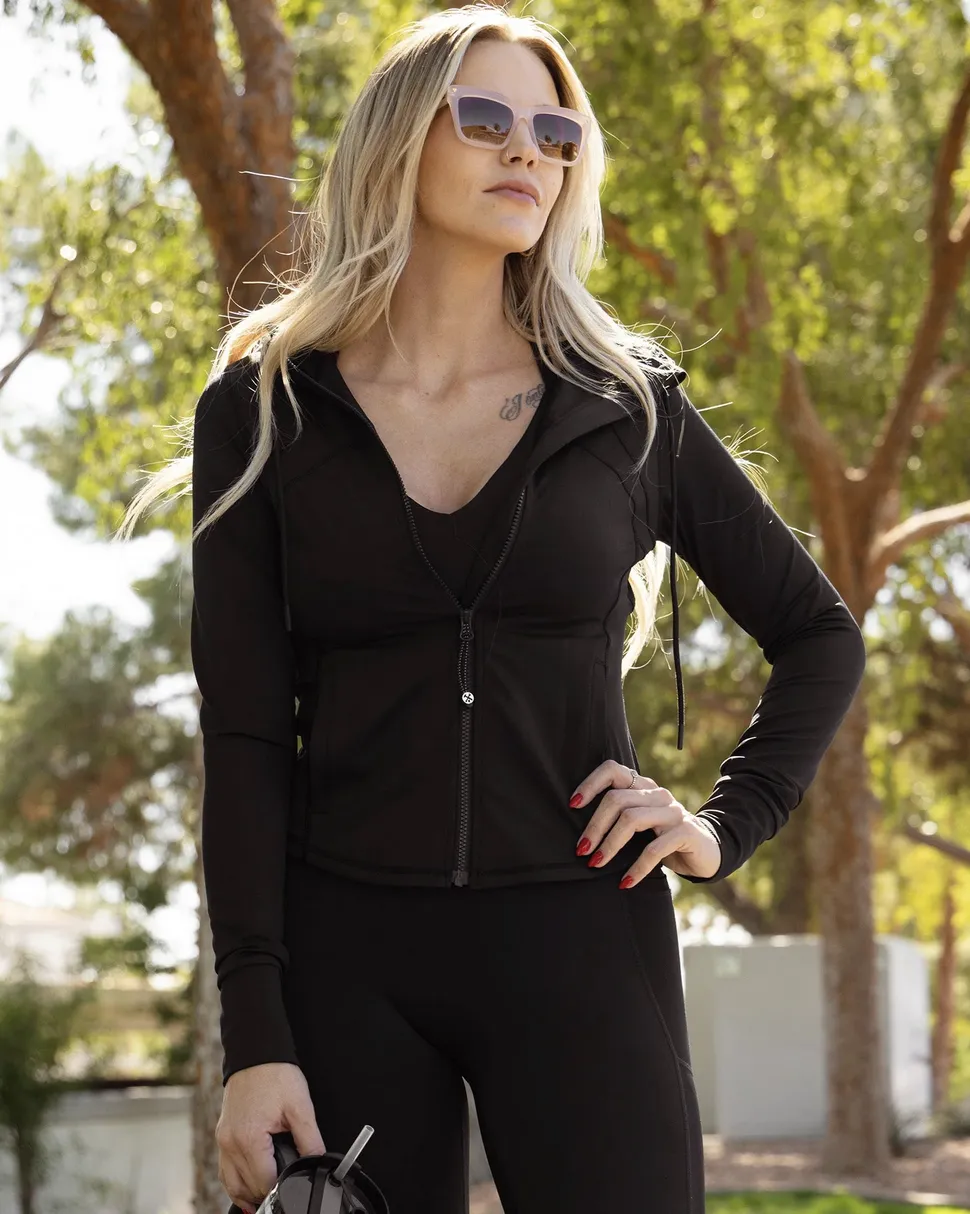
- Active Jackets: These are built for high-performance movement, and using cold water is absolutely essential to protecting the specialized performance material and reflective 3M logos. Heat can degrade the elasticity and technical properties of the fabric, so keep it cold to keep it functional.
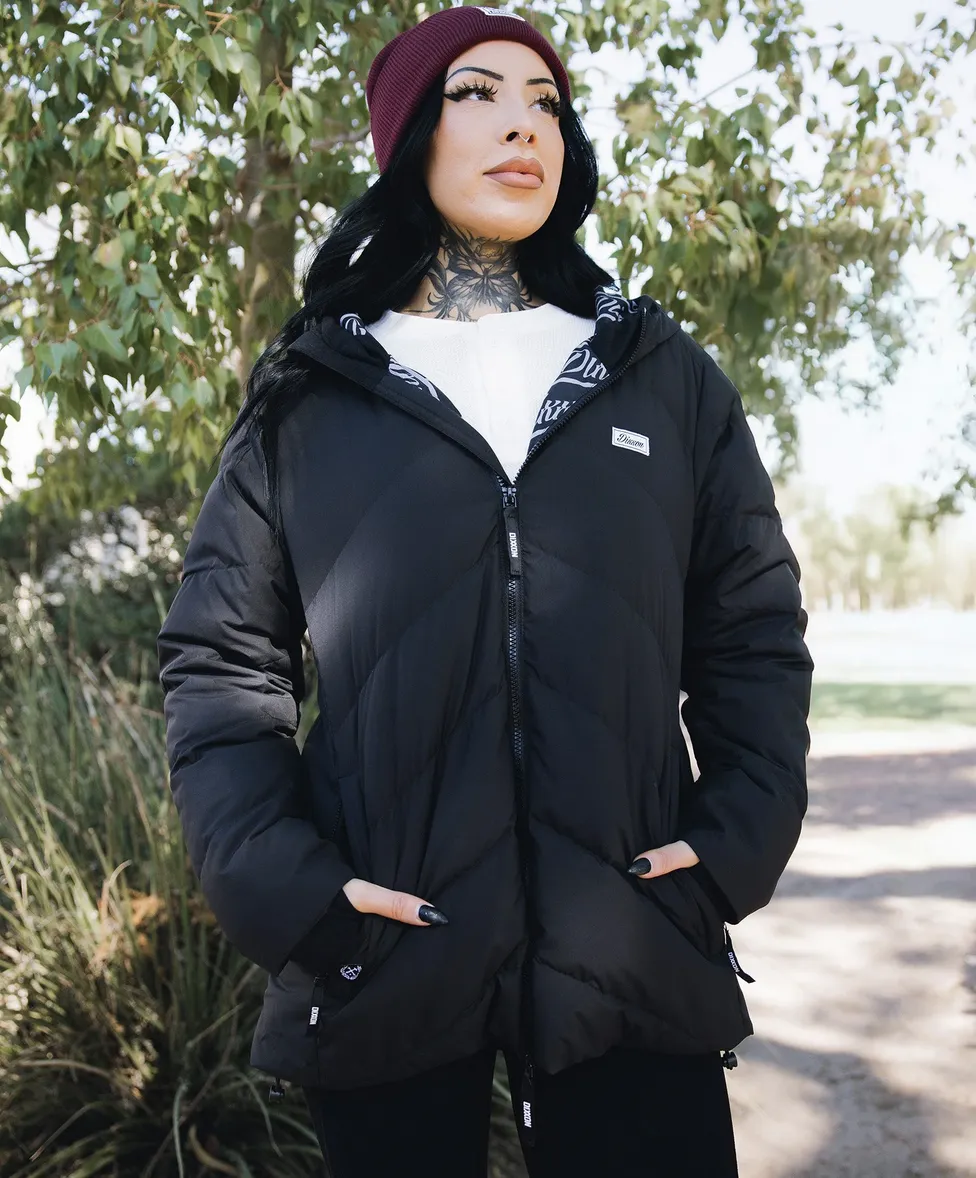
- Ridge Down & Puffer Jackets: While these can be machine washed, dry cleaning is highly recommended for the Ridge Down to maintain the loft of the 80% duck down filling and the integrity of the Level 3 waterproofing.
Fighting the Grime: Stain Removal
Whether it’s motor oil, road grit, or a spilled drink at a show, stains happen. The Golden Rule: Blot, Don't Rub.
Rubbing a stain pushes the particles deeper into the fabric weave. Use a clean cloth and a mild stain remover (or even a bit of dish soap for grease) and blot from the outside in. For tougher spots on flannel, a mixture of baking soda and cold water can lift the grime without damaging the limited-edition colorway.
Drying: The "No-Heat" Rule
If you remember nothing else, remember this: Keep your Dixxon out of the dryer.
Why Air Drying is King
Machine dryers use high heat that can "cook" synthetic fibers and damage waterproof coatings.
- Hang Dry: Place your jacket on a sturdy hanger or a drying rack.
- The "Anchor" Method: For our Anchor Jackets or Crop/Long Shackets, hanging them properly ensures the structured princess seams and clean hems dry perfectly without needing an iron.
Storage: Preserving the Limited Edition
Since most Dixxon drops are Limited Edition, you can’t just go buy another one if yours gets ruined in the closet.
- Hangers, Not Hooks: Storing a heavy jacket on a small hook can distort the neck and shoulders. Use a wide, padded, or wooden hanger to maintain the jacket's silhouette.
- Avoid Sunlight: Even the best dyes will eventually fade if they’re baked in UV rays every day. Store your gear in a cool, dry place away from direct windows.
- The Stash Pocket: Don't forget to empty your pockets—especially that hidden stash pocket behind the neck label. Leaving heavy items in pockets during long-term storage can stretch the fabric.
Final Thoughts: Work Hard, Stay Humble
Your Dixxon jacket is built to handle the grind, but a little respect goes a long way. By following these care steps, you ensure that your gear stays in the rotation for years to come.
Stay Rad. Work Hard. Stay Humble.
Frequently Asked Questions
Can I iron my Dixxon jacket?
You shouldn't need to, as our fabrics are selected for their wrinkle resistance. If you have a stubborn crease, use a garment steamer on a low setting. Never put a hot iron directly onto the fabric, as it can melt synthetic fibers.
How do I clean the removable hair tie zipper pull on my Active Jacket?
Remove the hair tie before washing the jacket. You can hand-wash the tie and the brass charm with mild soap and water to keep the logo shining.
Is the Ridge Down really machine washable?
Yes, it is machine washable on cold, but because of the duck down filling, dry cleaning is recommended to ensure the filling doesn't clump and the waterproofing remains effective.
How do I refresh the faux sherpa lining?
If the sherpa on your jacket starts to look matted, you can gently brush it with a soft-bristle brush while it's still damp after a wash. This helps "fluff" the fibers back up.