


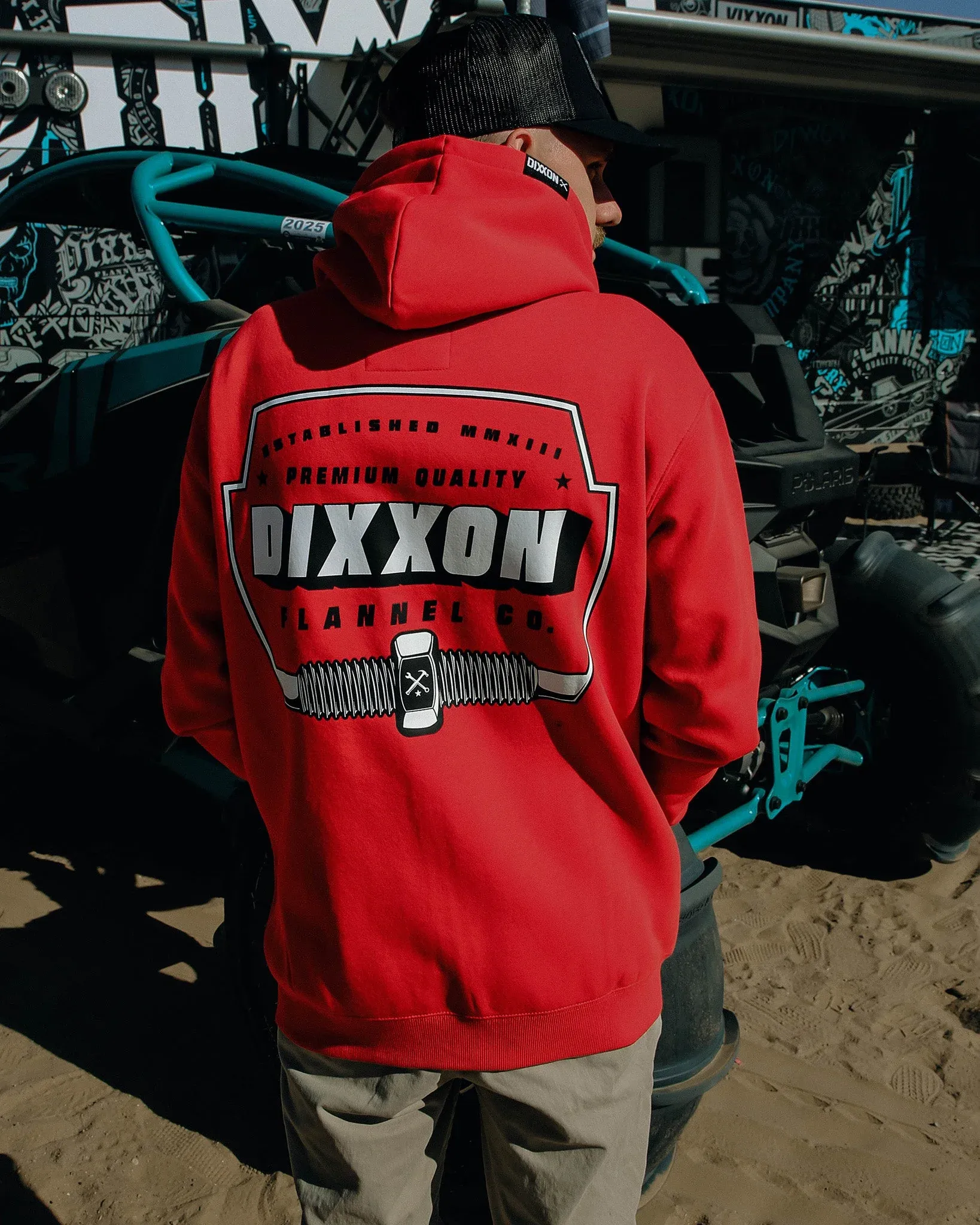
Your laundry routine shouldn't require a master's degree, but it also shouldn’t destroy your favorite clothes. When you grab a piece from our Dixxon Men's Sweatshirts & Hoodies Collection, you are investing in top-tier comfort, clean aesthetics, and unmatched durability. Because our sweatshirts are engineered to hold their shape through all your adventures, whether you're working in the garage, heading to a show, or taking a late-night cruise, the way you wash them directly impacts how long they keep that premium fit and sharp look.
This clean, straightforward manual walks you through the exact washing, drying, and stain-removal techniques needed to protect your graphics and keep your gear perfectly broken-in for years to come.
The Chemical Matrix: Detergents & Water Temperatures
Using the wrong temperature or a harsh detergent can chemically degrade screenprints and break down soft cotton fibers. To protect the deep colors and custom artwork of your limited-run drops, follow this exact washing breakdown:
| Product Style | Recommended Detergent Type | Optimal Water Temperature | Why It Matters |
|---|---|---|---|
| Zip-Up Hoodies | Mild Liquid Detergent (No optical brighteners) | Cold Only (Below 30°C / 85°F) | Protects the metal/molded zipper tracks and prevents color bleeding into classic patterns. |
| Pullover Hoodies | Mild Liquid Detergent | Cold Only (Below 30°C / 85°F) | Keeps kangaroo pocket stitching reinforced and prevents drawstring shrinkage. |
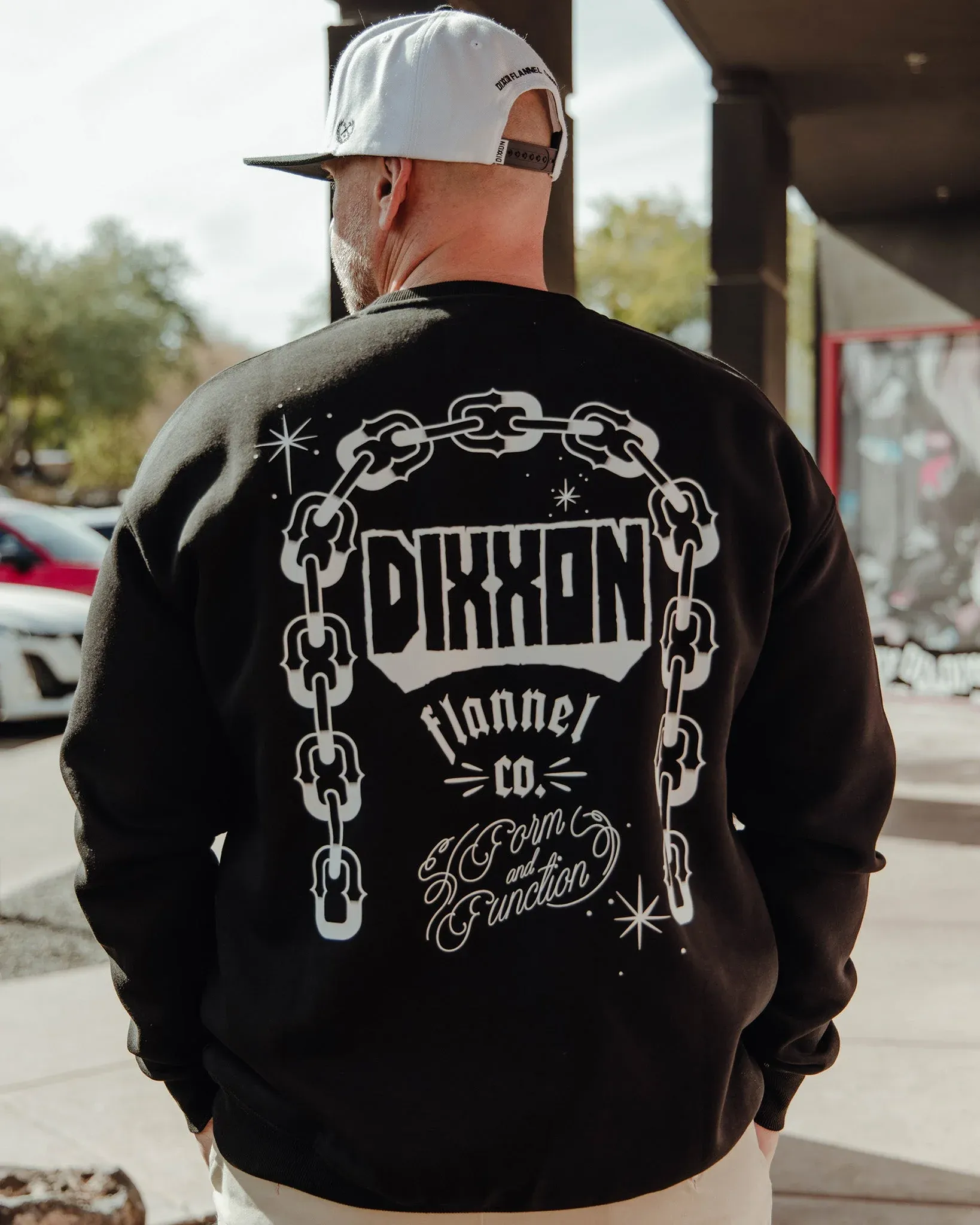
| Crewneck Sweatshirts | Eco-Friendly or Mild Liquid | Cold Only (Below 30°C / 85°F) | Preserves the collar ribbing profile and keeps massive front chest prints from cracking. |
Skip the Powder and Fabric Softeners
Always choose mild liquid detergents over harsh powders. Powdered detergents can act as a physical abrasive inside the machine drum, slowly grinding down the custom screenprinted ink over time. Furthermore, never use fabric softeners or bleach. Fabric softeners coat the fleece fibers in a chemical film that ruins breathability and degrades the fabric bond. Bleach will instantly destroy our vibrant dyes.
Step-by-Step Execution: The Pre-Wash Strategy
Do not just toss your gear directly into the drum after a long day out. Take two minutes to prep your items properly to avoid accidental tears and premature fading.
1. The Separation Protocol
Sort your laundry properly. Never wash comfortable fleece sweatshirts alongside rough, highly abrasive items like heavy metal chains, open hook-and-loop fasteners (Velcro), or caked mud work boots. Group your gear by color—darks with darks, lights with lights—to stop any chance of dye transfer.
2. Lock Down the Hardware
Before washing your Zip-Up Hoodies, pull the zipper all the way to the top. Exposed metal or molded zipper teeth act like a saw inside a rotating washing machine drum, snagging fabric strings and chipping screenprinted artwork on adjacent garments.
3. Flip It Inside Out
This is the single most critical step for protecting limited-edition artwork. Turning the garment inside out creates a defensive fabric barrier. It prevents the vibrant face of your graphic print from continually rubbing against the machine wall, minimizing friction and keeping your graphics crisp drop after drop.
Settings for High-Performance Wear
Once your gear is flipped and sorted, calibrate your washing machine settings to minimize mechanical agitation.
- The Cycle: Always select the Gentle or Delicate Cycle. High-speed agitation cycles stretch out comfortable cotton-blend fleece, warping the original fit and pulling at crucial seams.
- The Water Level: Ensure your machine is set to an appropriate water volume, and avoid overloading the drum. Your clothing needs plenty of room to float and move freely. If the drum is packed too tight, items press together violently, causing severe friction wear and flattening the soft fleece lining.

Time-Tested Stain Removal Tactics
If you live life with passion, your clothing is bound to take a beating. Whether it's garage grease, everyday dirt, or food from a backyard hang, act fast using these targeted spot treatments before running a wash cycle:
- Grease, Oil, & Shop Lubricants: Do not let it set. Lay the sweatshirt flat, cover the spot with a few drops of grease-cutting liquid dish soap, and gently work it into the fibers using your thumb. Let it sit for 10–15 minutes to break down the oils, then rinse thoroughly from the inside out with cold water before washing.
- Dirt, Mud, & Everyday Grime: Let the mud dry completely first. Never try to wipe wet mud, or you will push the dirt deep into the cotton weave. Once dry, use a soft brush to break off the crust. Spot-treat any leftover discoloration with a mild liquid stain remover before running a cold cycle.
- Ink Marks & Industrial Markers: Place a clean paper towel directly under the stain inside the flipped shirt. Lightly dab a cotton ball soaked in isopropyl rubbing alcohol onto the back of the mark. The alcohol breaks down the ink pigment, driving it safely out of the fabric and directly onto the paper towel underneath.
Zero Heat: The Drying and Storage Rulebook
High heat is the absolute enemy of premium cotton blends and custom screenprints. If you throw a graphic hoodie into a commercial dryer on high heat, you will shrink the cotton fibers unevenly and cause the graphic ink to blister, melt, or split apart.
The Preferred Method: Reshape & Air Dry
Whenever possible, air dry your apparel. Take the wet sweatshirt out of the machine immediately after the cycle ends, gently shake it out, and reshape the body and sleeves. Lay it flat on a clean drying rack or hang it up out of direct sunlight.
Pro Tip: Watch the Sun
UV rays from direct sunlight break down textile dyes through a process called photodegradation. To ensure your deep black and vibrant colorways stay rich, always air dry your clothing indoors or in a shaded outdoor spot.
The Backup Option: Tumble Dry Low
If you absolutely must use a machine dryer, select the lowest possible heat setting (Tumble Dry Low or Air Fluff Only). Keep a close eye on the cycle and pull the sweatshirt out while it is still slightly damp. Lay it flat on a surface to finish drying naturally. This completely eliminates the danger of overdrying, which causes fabric stiffness and structural distortion.
Simple Storage Tips
- Never Hang for Long Periods: Heavy fleece sweatshirts carry real weight. If you leave them hanging on thin plastic or wire hangers for months at a time, gravity will slowly stretch out the shoulders and neck ribbing, turning a perfect fit into a misshapen mess.
- Fold with Care: Lay the item flat on its front, fold the sleeves cleanly across the back, and fold the body in half. Store your folded collection in a cool, clean, and dry drawer or shelf away from seasonal moisture.
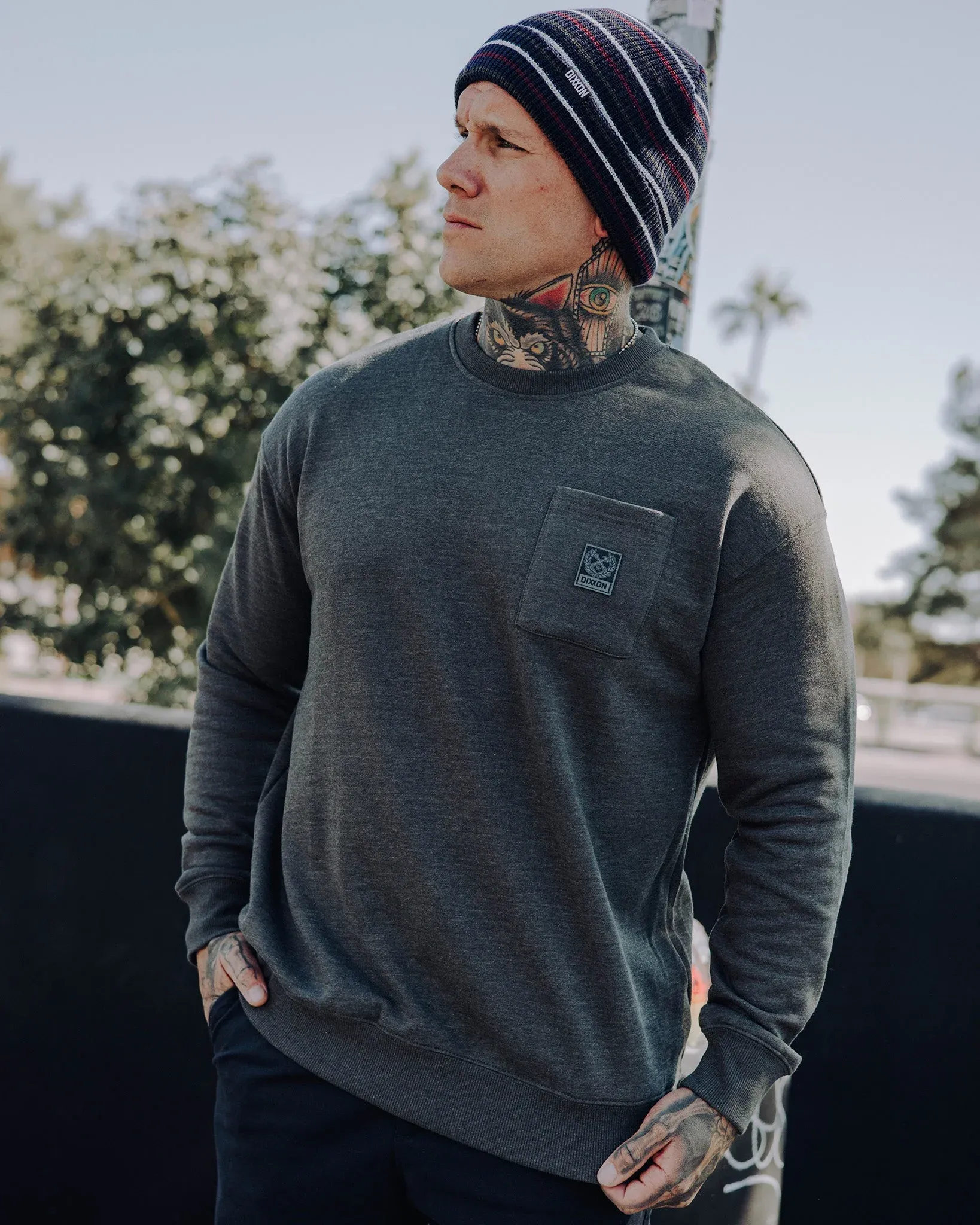
Honor the Lifestyle: Explore More Gear
Taking proper care of your limited apparel ensures that your favorite drops stay completely intact, maintaining both their style and soft comfort for the long haul. Now that you know how to clean your gear like an expert, keep expanding your rotation.
Check out our full line of rugged, no-nonsense apparel at the main Dixxon Men’s Apparel Collection and gear up for your next adventure. Work hard, stay humble, and keep the counter-culture alive.
Frequently Asked Questions
How do you wash a Dixxon sweatshirt?
To wash a Dixxon sweatshirt cleanly and effectively, pull any zippers up completely, flip the garment inside out, and place it in the washing machine on a gentle cycle using cold water. Always use a mild liquid detergent rather than powder, and strictly avoid using bleach or fabric softeners to protect the graphics and premium cotton fibers.
Can you put Dixxon hoodies in the dryer?
Air drying is highly recommended to protect your hoodie from shrinking or heat damage. If you must use a machine dryer, set it exclusively to tumble dry on low heat or air fluff, and remove the hoodie while it is still slightly damp to avoid overheating the graphics and fabric.
How do you get oil stains out of a cotton-blend sweatshirt?
To break down grease or motor oil, lay the sweatshirt flat and work a few drops of liquid grease-cutting dish soap directly into the stain with your thumb. Let it sit for 10 to 15 minutes, rinse the spot thoroughly from the inside out with cold water, and then launder the sweatshirt on a normal cold, gentle cycle.
Why shouldn't you use fabric softener on fleece hoodies?
Fabric softeners leave a chemical film layer over fabric fibers. On fleece hoodies, this coating locks down the material, crushing the soft fleece texture and destroying the natural breathability and moisture-wicking properties of the blend.